

Reid Kessler, PsyD
Co-owner & CEO
Teens + Adults + Couples | Specializes in: men's issues, depression, personal growth. Encinitas & Vista
Read bio
PSYCHODYNAMIC PSYCHOTHERAPY IN CARLSBAD, ENCINITAS, & VISTA
Psychodynamic psychotherapy is a form of talk therapy that helps people understand the patterns that keep showing up in their lives — in relationships, at work, in how they feel about themselves — and where those patterns actually come from. At Coastal Therapy Group, psychodynamic therapy is the foundation of how we work. Our doctoral-level psychologists in Carlsbad, Encinitas, and Vista use this approach to help adults, teens, and children understand what's really going on underneath the surface, not just manage symptoms.
Book a Free ConsultationPsychodynamic psychotherapy explores how early experiences, unconscious patterns, and relational dynamics shape the way you think, feel, and relate to others. It's not about getting advice or learning coping strategies (though those can be useful). It's about understanding why you do what you do — and using that understanding to make real, lasting changes.
The approach has its roots in psychoanalytic theory, but modern psychodynamic therapy is far from the stereotype of lying on a couch in silence. It's an active, collaborative process. Your therapist pays close attention to what's happening between you — in the room, in real time — because how you relate in therapy often mirrors how you relate everywhere else. That's where the some of the most useful information shows up.
Psychodynamic therapists work from the premise that symptoms like anxiety, depression, or relationship problems aren't random. They make sense in the context of your history, your temperament, and the ways you learned to cope. Once you understand the logic beneath the struggle, change becomes possible — not because someone told you what to do differently, but because you can actually see what's been keeping you stuck.
There are many effective forms of therapy, and we've been trained in several. But there are meaningful differences in how they work and what they're after.
CBT focuses on identifying and changing unhelpful thought patterns and behaviors. It's structured, present-focused, and usually shorter-term. Psychodynamic therapy asks a different question: not just "what are you thinking?" but "why do you think that way?" Rather than correcting cognitive distortions, psychodynamic work explores the emotional logic underneath them — the relational history that makes those patterns make sense in the first place.
Research by Jonathan Shedler, published in American Psychologist in 2010, found that the benefits of psychodynamic therapy not only matched other evidence-based treatments but actually increased after therapy ended. People continued to improve. Shedler attributed this to the kind of self-understanding that psychodynamic work builds — a capacity for ongoing reflection that doesn't depend on the therapist being in the room.
DBT teaches specific skills for managing intense emotions, distress tolerance, and interpersonal effectiveness. It's particularly effective for people who need concrete tools right now. We offer a DBT skills groups at our Vista office for exactly this reason. Psychodynamic therapy, by contrast, is less about skills and more about understanding the origins and meaning of emotional pain. Many people benefit from both — developing practical coping skills while also doing the deeper work of understanding why those emotions feel so overwhelming.
EMDR (Eye Movement Desensitization and Reprocessing) uses bilateral stimulation to help reprocess traumatic memories. It's an effective, targeted treatment for trauma. Psychodynamic therapy tends to address trauma in a broader context — examining how it shaped your relationships, your sense of self, and the defenses you built to survive. Some of our clinicians integrate EMDR within a psychodynamic framework, using targeted trauma processing alongside longer-term relational work.
You show up. You talk about what's on your mind — whatever is most alive for you that day. Your therapist listens, but not passively. They notice patterns. They ask questions that slow you down. They point out things you might not see on your own.
Some sessions feel like a relief. Others feel uncomfortable. Both are useful.
Psychodynamic therapy involves:
Sessions at Coastal Therapy Group are typically 45 minutes for individual therapy. We see clients at least once per week, especially at the start. Some people choose to come more often. Frequency depends on your needs and what we determine together will be most helpful.
Yes. This matters because the myth that psychodynamic therapy lacks research support persists despite decades of evidence to the contrary.
A 2023 meta-analysis by Leichsenring et al.,, published in World Psychiatry, found that long-term psychodynamic therapy produced large and stable effects for complex mental health conditions, including personality disorders, chronic depression, and treatment-resistant anxiety. Effect sizes were significantly larger than those found for shorter therapies.
Shedler's 2010 review in American Psychologist analyzed existing research and found effect sizes for psychodynamic therapy comparable to those reported for CBT and other treatments that are frequently described as "evidence-based." He noted that the active ingredients identified in other therapies — the therapeutic alliance, emotional processing, exploring interpersonal patterns — are the same processes psychodynamic therapy has emphasized for over a century.
A 2017 meta-analysis by Steinert and colleagues, published in American Journal of Psychiatry, concluded that psychodynamic therapy was as effective as other established treatments for depression and anxiety, with evidence supporting both short-term and long-term formats.
The evidence consistently shows that psychodynamic therapy works, and that its benefits tend to be durable — meaning people don't just feel better while they're in therapy. They develop a capacity for self-understanding that continues to serve them long after the last session.
Book a Free ConsultationPsychodynamic therapy is well-suited for anyone willing to look honestly at themselves. That said, people tend to seek out this kind of work when:
At Coastal Therapy Group, we work with adults, teens, and children using a psychodynamic approach. We also offer couples therapy, group therapy, EMDR, andpsychological testing. If psychodynamic therapy isn't the right fit for what you're dealing with, we'll tell you — and help you find what is.
Every clinician on our team holds a doctorate in psychology. That's not a formality. Doctoral training means years of supervised clinical work, deep grounding in research, and the ability to draw from multiple theoretical frameworks depending on what each person needs.
We're a predominantly psychodynamic practice, but we're not rigid about it. Our psychologists integrate CBT, DBT, EMDR, EFT, ACT, ERP, and other evidence-based approaches where appropriate. What anchors all of our work is a shared belief: the therapeutic relationship is the engine of change. Good therapy isn't a set of techniques applied to a diagnosis. It's two people doing serious, honest work together.
We have offices in Carlsbad, Encinitas, and Vista, and we offer online therapy to anyone in California. Sessions are private-pay, and we provide superbills for out-of-network insurance reimbursement. Many clients are surprised by how much their plan covers.
Not sure where to start? Our care coordinator can match you with the right psychologist based on your needs, schedule, and goals. Or scroll through our team below to learn about each clinician.
Co-owner & CEO
Teens + Adults + Couples | Specializes in: men's issues, depression, personal growth. Encinitas & Vista
Read bio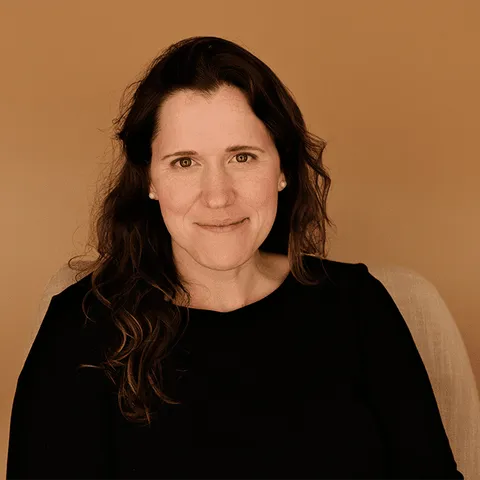
Co-owner & Director of Professional Development
Adults + Couples Specializes in: grief, depression, LGBTQ+ issues, life transitions. Carlsbad & Vista
Read bio
Director of Couples Therapy
Adults + Couples Specializes in: relationship patterns, intimacy, purpose. Carlsbad
Read bio
Director of Team Experience
Teens + Adults + Couples | Specializes in: relationships, identity, animal-assisted therapy. Carlsbad & Vista
Read bio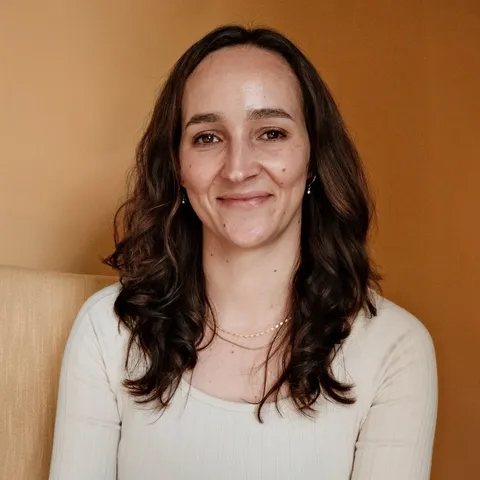
Vista Site Director
All Ages + Couples Specializes in: maternal health, family dynamics, child & teen therapy. Vista
Read bio
Adults + CouplesSpecializes in: imposter syndrome, people pleasing, professionals. Carlsbad & Online
Read bio
Teens + Adults + Couples | Specializes in: resilience, self-acceptance, personal growth. Vista
Read bio
Teens + Adults Specializes in: belonging, cultural identity, healing from shame. Carlsbad
Read bio
Adults + Couples Specializes in: existential concerns, meaning-making, self-understanding. Online only
Read bio
Kids + Teens + Adults Specializes in: family therapy, boundaries, empathy-based parenting. Carlsbad
Read bio
Teens + Adults Specializes in: identity, relationships, meaning & purpose. Encinitas, Vista, & Carlsbad
Read bio
Kids + Adults + Couples Specializes in: attachment, identity, reconnecting with self. Carlsbad & Vista
Read bioThere's no fixed timeline. Short-term psychodynamic therapy typically runs 12 to 24 sessions and can produce meaningful results for specific concerns. Longer-term work — which is what many of our clients choose — unfolds over months or years and tends to produce the deepest, most lasting changes. The duration depends on what you're working on, how entrenched the patterns are, and what you're looking for from the process.
No. Childhood comes up because early experiences shape how you relate to yourself and others. But psychodynamic therapy is focused on the present — on how those earlier patterns show up right now, in your current relationships, your work, your emotional life. The past is relevant because it explains the present. It's not the destination.
Psychoanalysis is the more intensive form — typically three to five sessions per week, often with the patient on a couch, focused on free association and deep exploration of the unconscious. Psychodynamic therapy applies the same theoretical principles in a less intensive format, usually one to two sessions per week, face-to-face. Most people seeking therapy today engage in psychodynamic psychotherapy rather than full psychoanalysis.
Yes. Anxiety and depression are among the most common reasons people seek psychodynamic therapy. Rather than treating them as isolated symptom clusters, psychodynamic therapy asks what these experiences mean in the context of your life. What is the anxiety protecting you from? What has the depression made it impossible to feel? Addressing the underlying emotional conflicts often produces relief that lasts.
We're a private-pay practice. We provide superbills for out-of-network reimbursement, and many of our clients recover a significant portion of their session costs through their insurance plans. Visit our Cost + Info page for current rates and details on how to use your out-of-network benefits.
Call or text us at (760) 334-6262 or fill out the form on our Get Started page. Our care coordinator will learn about what's bringing you in, match you with a therapist, and schedule a free 15-minute consultation or a full intake session. We typically get people in within a week.
Call or text (760) 334-6262 · Email info@coastaltherapygroup.com
Our care coordinator will match you with a psychologist and schedule a free 15-minute consultation or a full intake session — typically within a week.
Book a Free ConsultationOffices in Carlsbad, Encinitas, and Vista. Online therapy available throughout California.