
Major depression
The heavy, persistent kind: deep low mood, loss of interest, and exhaustion that lasts for weeks and makes ordinary days feel like a lot to get through.
Depression therapy · North County San Diego
Depression is not always sadness. Sometimes it is numbness, flatness, irritability, or being so tired you are just going through the motions. Whatever shape yours takes, our doctoral-level clinicians help you understand it and feel like yourself again. In person in Carlsbad, Encinitas, Vista, and Pasadena, or online across California.
4.9 on Google · 100+ reviews · Doctoral-level, serving North County since 2018

You are not just being dramatic
People expect depression to look like crying, but often it does not. It shows up as a low, gray flatness. Things you used to care about stop landing. Sleep, appetite, focus, and energy quietly fall out of rhythm. Getting through a normal day starts to take everything you have, and you cannot always explain why.
If that is where you are, you are not weak and you are not failing. Depression is a real, treatable condition, not a character flaw, and it does not have to be this heavy forever. The work of therapy is to understand what yours is responding to and to help you find your way back to feeling like a person again.
If you are having thoughts of suicide or feel unsafe, please reach out right now. You can call or text 988, the Suicide & Crisis Lifeline, any time, day or night. It is free, confidential, and staffed by people who want to help. If you are in immediate danger, call 911. We are here for the ongoing work, and in a crisis, 988 can help you first.
What we help with
People come to us with all of these. If you see yourself in more than one, that is normal, and it is exactly the kind of thing therapy is built to sort out.
The heavy, persistent kind: deep low mood, loss of interest, and exhaustion that lasts for weeks and makes ordinary days feel like a lot to get through.
You are still showing up to work and answering texts, but underneath it is flat, joyless, and effortful. This lower-grade, long-running kind of depression (sometimes called persistent depressive disorder) is easy to dismiss and very worth treating.
Low mood that settles in after a loss, a breakup, a move, a diagnosis, or a hard season. It makes sense given what happened, and it still deserves real support.
Mood, energy, and motivation that reliably dip as the days get shorter, then lift again. We help you understand the pattern and build a plan that holds through the harder months.
For many people the two travel together: a low, heavy mood tangled up with worry that will not switch off. Our anxiety therapy page goes deeper on that side of it.
Sometimes it does not look like sadness at all. It looks like being tired, checked out, and unable to feel much of anything. We help you tell the difference between burnout and depression, and treat what is actually there. If burnout is the bigger piece of the picture, our therapy for professionals and executives page goes deeper on that.
How we work
Depression is rarely random. It is usually your mind and body responding to something: loss, exhaustion, old patterns, a life that has drifted away from what matters to you. Numbing the symptom without understanding what it is pointing to rarely lasts, so while we help you feel better, we also stay curious about what the depression is telling us.
Everything we do rests on a relational, attachment-based foundation: a real relationship with a clinician who takes the time to understand your story and where your depression comes from. On top of that base, our team is trained in and draws on a range of evidence-based models, including CBT, ACT, and mindfulness, and integrates them flexibly as your situation calls for it. This is depth-oriented psychotherapy with practical tools, matched to you rather than to a single protocol.
We also keep the pace gentle. When your energy is low, we do not pile on homework or ask you to perform. We meet you where you are and take the next step together.
Therapy and medication
One of the first questions people ask is whether they need medication. It is a good question, and the honest answer is that it depends on you. Plenty of people get real relief from therapy alone. For others, an antidepressant makes therapy easier to engage with, and the two work best together.
We are doctoral-level psychologists, so we do not prescribe medication. What we do is help you think it through clearly, and when medication is part of your care, we coordinate with your physician or psychiatrist so everyone is working toward the same goals. You will never get a hard sell in either direction. The point is what helps you feel better.
Depression, answered
Yes. Therapy is one of the most effective treatments for depression, and for many people the gains hold long after it ends. Beyond lifting symptoms, therapy helps you understand what your depression is responding to, so you are not just managing it but actually moving through it.
We are psychologists, not psychiatrists, so we do not prescribe. Many people do well with therapy alone, in part because our team integrates proven models like CBT, ACT, and mindfulness on a relational foundation. Others combine therapy with an antidepressant from their physician or psychiatrist, and we are glad to coordinate with a prescriber when that is part of your care. It is not therapy versus medication. It is what actually helps you.
It is depression you can hide. You keep meeting deadlines and showing up for people while feeling flat, drained, and joyless underneath. Because life looks fine from the outside, it often goes untreated for years. It responds well to therapy, and you do not have to be in crisis to deserve help.
They overlap, and they are not the same. Burnout usually eases with real rest and lifts when the pressure does. Depression tends to stay even after you rest, dulls your interest in things you used to enjoy, and comes with harder thoughts about yourself. A free consultation is a low-pressure way to sort out which one you are dealing with.
Meet the team
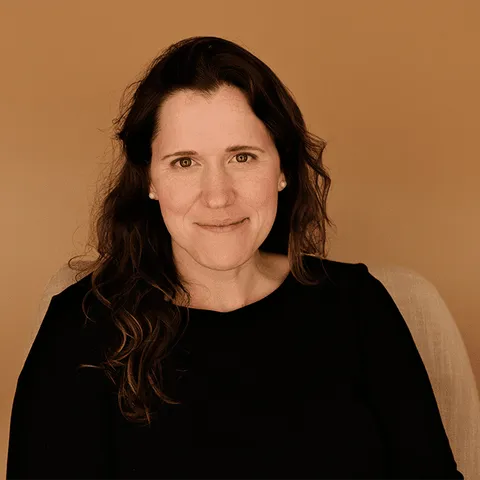
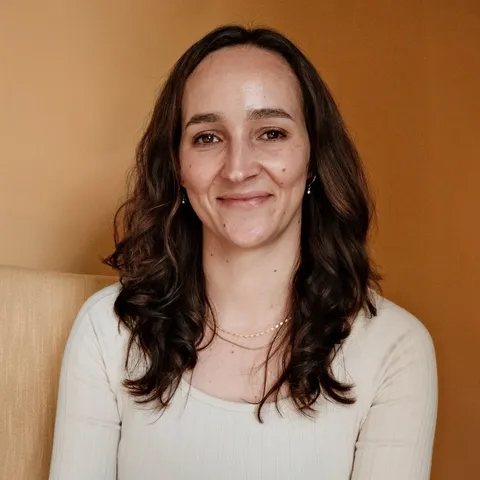
Every clinician here holds a doctorate in psychology. Click any card to read their full bio and approach, then start with a free call and we will help you find the right fit.












Questions
Yes. Therapy is one of the most effective ways to treat depression. It eases the symptoms, and it also helps you understand what your depression is responding to, so the relief tends to hold. Our work is relational and depth-oriented: we take time to know you, not just your low mood.
Most people meet weekly for a 45-minute session, in person at one of our North County offices or online. Early on, your clinician gets to know you and the shape your depression takes. From there the work is a mix of understanding what is underneath the low mood and building practical ways to get your energy, interest, and hope back.
Yes, and it is one of the most common reasons people reach out to us. You do not have to be falling apart to come to therapy. If you are functioning on the outside but feel flat, drained, and joyless underneath, that is worth taking seriously, and it responds well to the kind of depth-oriented work we do.
Many people do well with therapy alone. Others find that therapy plus an antidepressant works better for them. We are psychologists, so we do not prescribe, but we are glad to coordinate with your physician or psychiatrist when medication is part of your care. The two are not in competition, and we will help you think it through.
Yes. Depression and anxiety very often show up together, and treating them as one interconnected experience tends to work better than treating either in isolation. Many of our clients come in for both. Our anxiety therapy page covers that side in more depth.
Yes. We work with teens as well as adults. In teens, depression can look like irritability, withdrawal, slipping grades, or long stretches in their room, more than obvious sadness. Several of our clinicians see adolescents, and we partner closely with parents.
It depends on what you are working through. Many people feel real relief within the first couple of months of weekly sessions, while deeper, longer-standing patterns take more time to shift. We check in with you about progress along the way, and you are never locked into anything.
Individual sessions range from $230 to $300 per 45-minute session, depending on the clinician. We are an out-of-network practice and provide detailed superbills that many PPO plans reimburse. You can see current rates and insurance details on our Cost + Info page.
Yes. We offer secure online therapy to anyone located anywhere in California. When low energy makes leaving the house feel like too much, telehealth can be the gentlest way to start, and many clients mix online and in-person sessions.
Several of our clinicians offer evening availability. Share your scheduling needs on your free consultation call and we will match you with someone whose hours work for you.
Depression can make it hard to reach out at all. If someone you love is struggling, our post on ways to support your partner with depression is a gentle place to start.
A quick, private self-check
A brief, private self-check can help you see where your mood has been sitting lately.
Reflective, not diagnostic. Your answers never leave your browser.
Ready when you are
One free 15-minute call with Kari. She will listen, answer your questions, and match you with a clinician who is a genuine fit. No pressure, and no runaround.
4.9 on Google · 100+ reviews · Serving North County since 2018
Where we are