
Encinitas, Carlsbad, Vista or Online
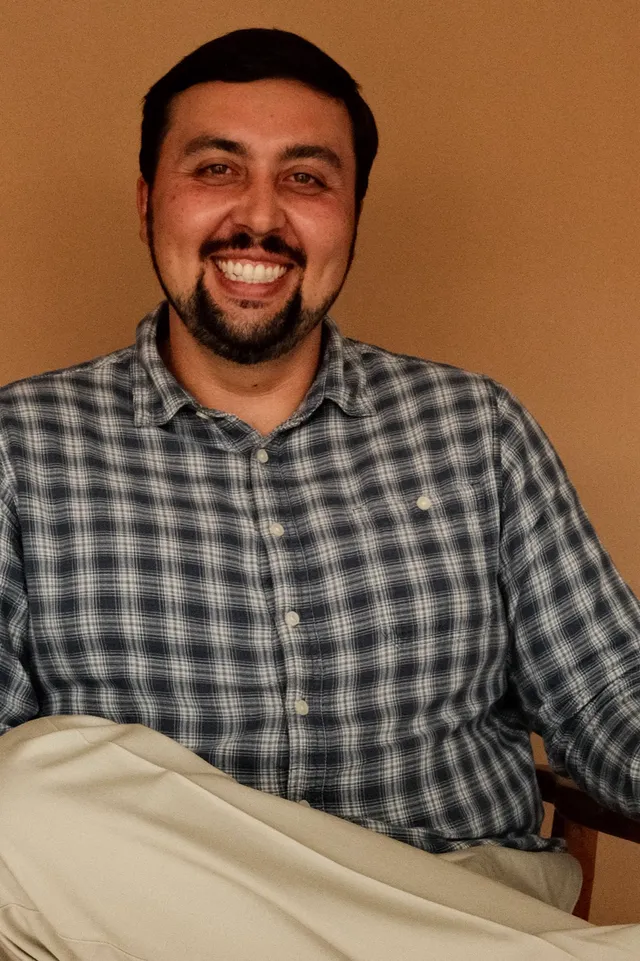
Dr. Sean Noe
Postdoctoral Fellow | Meaning, Identity & Faith | he/him
I work with teens and adults in Encinitas, Vista, and Carlsbad who feel weighed down by challenges they can’t always put into words. My role is to understand what’s driving those struggles, whether it’s pressure to perform, relationship tension, uncertainty about the future, or a deeper search for meaning, and to help you find clarity, resilience, and a path forward.
A short introduction
About Dr. Noe
Sean Noe, PhD is a postdoctoral fellow at Coastal Therapy Group who works with teens, young adults, and adults across our Encinitas, Carlsbad, and Vista offices and online throughout California. His practice centers on the questions that don’t come with quick answers: who you are, what matters most to you, and how to live in a way that feels like your own. He works psychodynamically, drawing on attachment theory to understand how formative relationships shape the way you relate to yourself and others today. He holds a doctorate in clinical psychology from Fuller Graduate School of Psychology and a master’s in theology from Fuller Theological Seminary, and completed his APA-accredited internship at Clemson University’s counseling center. That dual training makes him a natural fit for people whose sense of meaning is bound up with faith or spirituality. He also works with anxiety, depression, grief, trauma, and life transitions, offers Insight Sessions, our three-session psychological consultation, and co-leads Real Talk, our adult process group.
In his own words
When the next step feels unclear
There are times in life when the next step feels unclear, directionless, or overwhelming with questions. It is in moments like these that I have a particular passion for working with existential concerns. In times like these, therapy becomes more than problem-solving; it’s a space to explore who you are, what matters most, and how to live in a way that feels authentic and grounded. Whether you’re navigating a major life transition, struggling with loss, or feeling disconnected from yourself and what matters most, I help clients reflect, reorient, and move forward with greater self-understanding and compassion.
How he works
Depth-oriented work, grounded in relationship
My clinical experience includes work in university counseling centers, community mental health, and private practice settings. I have worked with adolescents and adults in each of those settings, with a focus on supporting teen boys in developing confidence, emotional awareness, and stronger relationships. My approach to therapy is informed by psychodynamic and attachment theories, which place an importance on understanding your interpersonal and formative relationships and can help you better understand how you relate to yourself and others.
It is with honor and gratitude that I hear about the lived experiences of each person I see. If you feel this would be a good fit for what you are looking for, or are curious to learn more, I invite you to reach out to schedule a consultation.
Faith & spirituality
Room for the spiritual side of the question
Not every existential question is a religious one, and you don’t have to be religious to work with me. For many people, though, questions about meaning are inseparable from faith, and therapy is often the first place that gets talked about honestly.
That tends to show up in two ways. Some clients are in a season of spiritual growth or change: their faith is developing, shifting, or becoming genuinely their own for the first time, and they want to understand how that connects to their sense of self and their wellbeing. Others are working through a faith background bound up with pain, whether that is a community that couldn’t tolerate honest questions, a relationship where belief and control got confused, or an experience they are still carrying years later.
My training sits in both places: a doctorate in clinical psychology and a master’s in theology, both from Fuller. We can hold the psychological and the spiritual in the same conversation without flattening either one, and without my steering you toward a conclusion I have decided on in advance. Clergy, ministry leaders, and others in helping professions are welcome here too; that work often begins with what they cannot say inside their own community. You can read more about our practice’s faith-informed therapy, or start with Dr. Noe’s essay on how faith develops in adolescence.
Teens & young adults
The years of figuring out who you are
Adolescence and the twenties are when identity gets built: a coherent, stable, personally meaningful sense of who you are. That process raises questions a person didn’t ask before, about belonging, purpose, relationships, and what they actually want their life to look like. I work with teens and young adults through anxiety, depression, family tension, and the ordinary disorientation of that stretch of life.
Much of this work is the relationship itself: building enough trust that the hard things can actually be said, so a teen feels met rather than managed. I have a particular focus on teen boys developing confidence and emotional awareness, and I also see younger children when it is the right fit.
Ways to work together
Four ways to start
Most people begin with a free consultation and move into weekly sessions. Insight Sessions and group therapy can run alongside individual work or stand on their own.
The foundation. Weekly individual sessions for teens and adults, in person in Encinitas, Carlsbad, or Vista, or online throughout California.
A focused psychological consultation: a clinical intake, a robust assessment between sessions, and a feedback session. Clarity and direction without committing to ongoing therapy.
About Insight Sessions →Dr. Noe co-leads Real Talk, a weekly in-person process group in Vista for adults who want honest reflection and real connection.
About Real Talk →A short, no-pressure conversation about what you are navigating and whether working together makes sense. Most people start here.
Book a consultation →Credentials as a Psychological Associate
- Post-doctoral Fellowship, Coastal Therapy Group
- Pre-doctoral Internship, Clemson University Counseling and Psychological Services (APA Accredited)
- Doctorate of Clinical Psychology (PhD), Fuller Graduate School of Psychology & Marriage and Family Therapy (APA Accredited)
- Masters of Arts in Clinical Psychology (MA), Fuller Graduate School of Psychology & Marriage and Family Therapy (APA Accredited)
- Masters of Theology (MA), Fuller Theological Seminary
- Bachelor of Arts in Psychology (BA), Point Loma Nazarene University
Areas of Specialized Experience
- Existential Concerns & Questions of Meaning
- Identity & Life Transitions
- Faith & Spiritual Development
- Religious & Spiritual Trauma
- Clergy & Faith Leaders
- Teen Therapy
- Young Adults & Emerging Adulthood
- Anxiety
- Depression
- Trauma & Abuse
- Child Therapy
- Group Therapy
Before you reach out
Questions clients tend to ask first
What are “existential concerns,” exactly?
It is a formal-sounding name for ordinary human questions: who am I, what actually matters to me, what do I do with this loss, how do I live in a way that feels like my own. Those questions tend to surface at turning points, after something painful, or during a stretch where life looks fine on paper and still feels off. You do not need a crisis or a diagnosis to bring them in.
What does therapy with you actually look like?
Sessions are weekly and 45 minutes. I work psychodynamically, which means we are not only building coping skills. We pay attention to what is underneath: your history, your formative relationships, and the patterns you carry into the way you relate to yourself and other people. Some clients arrive with a specific decision or event to work through, and others want a steady place to think out loud. We find the rhythm that fits.
Can we talk about faith and spirituality here? Do I have to be religious?
You do not have to be religious, and plenty of my clients are not. But if faith or spirituality is part of how you make sense of your life, it belongs in the room rather than being left at the door. I hold a doctorate in clinical psychology and a master’s in theology, so we can talk about both without one being reduced to the other.
My faith is changing and I am not sure where it is going. Will you push me one way?
No. My job is not to move you toward belief or away from it. Faith development is genuinely developmental: it shifts across a lifetime, and a season of questioning is often a sign of growth rather than of something going wrong. What I offer is a place to explore honestly, including the parts you cannot say out loud in your community yet.
Part of my religious history is tangled up with something painful. Is that a fit?
Yes, and it is a common reason people reach out to me. That can look like a community that could not tolerate your questions, a relationship where belief and control got confused, or a specific experience you are still carrying. We move at your pace, and there is no requirement to arrive at any particular conclusion about your faith. You can also read about our practice’s broader religious trauma work.
I am clergy or a ministry leader. Is this confidential?
Yes. Therapy is confidential, with the standard legal exceptions I will walk you through in our first session. Faith leaders and other helping professionals often carry emotional, relational, and spiritual weight while being expected to stay strong for everyone else, and much of the work starts with what cannot be said inside your own community. Boundaries, burnout, difficult congregational relationships, and your own sense of calling are all fair ground.
What does “postdoctoral fellow” mean?
It means I have completed my doctorate in clinical psychology and my APA-accredited internship, and I am now accruing supervised hours toward licensure as a psychologist in California, with ongoing supervision from a licensed psychologist here. Practically, it means your work is also being thought about by a second doctoral-level clinician, at a lower fee than our licensed psychologists charge.
Do you work with teenagers? My teen is not sure about therapy.
Teens are a large part of my practice, and reluctance is one of the most normal starting points there is. Early on the work is mostly about earning trust: showing a teen this is their space, not somewhere they are being fixed or reported on. I have a particular focus on teen boys building confidence, emotional awareness, and stronger relationships. I also see younger children when it is the right fit.
Where do you see clients?
In person at our Encinitas, Carlsbad, and Vista offices, and online throughout California. Many clients do a mix of both depending on the week.
What does a session cost?
Sessions with me are $230 for a 45-minute session. Across the practice, individual sessions run $230 to $300 depending on the clinician. Our cost and insurance page has the full breakdown, including how out-of-network reimbursement works.
What is the first step?
Schedule a free 15-minute consultation. We talk through what you are navigating and whether we are a good fit, and from there we can usually book a first full session within a week.
Recent essays by Dr. Noe
- Humor as a Defense Mechanism: The Joke That Helps You Keep GoingSeptember 16, 2026
- Projection: When the Feeling Is Yours but the Address Is WrongAugust 18, 2026
- Splitting in Psychology: Why the Mind Sees All Good or All BadAugust 3, 2026
- Defense Mechanisms, Explained in Plain LanguageJuly 9, 2026