Abuse of power
Your boundaries violated by someone whose authority made them hard to question, especially authoritarian or narcissistic leaders.
Carlsbad, Encinitas, Vista & online across California
When the place that was supposed to hold you is the place that hurt you, the damage reaches further than most people realize. We work with adults recovering from spiritual abuse, church harm, and high-control religious environments, and with people in the middle of deconstruction who do not yet know where they will land. We will not tell you what to believe.

Serving North County San Diego since 2018 · 4.9 stars from 100+ reviews · Every clinician holds a doctorate in psychology
Understanding religious trauma
Religious trauma is the lasting psychological harm that can follow controlling, shaming, or abusive experiences inside a religious or spiritual community. It can come from a single betrayal, such as abuse by a leader who was supposed to protect you, or from years of accumulated pressure: fear-based teaching, enforced obedience, purity culture, or being told your own perceptions could not be trusted.
What makes it distinct from other kinds of trauma is where it happened. Religion and spirituality invite us to be vulnerable and trusting, because they reach for our deepest longings for belonging and ultimate meaning. That is precisely the vulnerability that gets exploited. So the injury does not stay contained to one bad memory. It reaches into your sense of who you are, whether your own judgment can be trusted, and whether anything is safe to believe in again.
Not officially. "Religious trauma syndrome" is a widely used clinical term, coined by psychologist Marlene Winell, but it does not appear in the DSM-5-TR. That does not make the experience less real or less treatable. In practice, people affected by religious trauma often meet criteria for post-traumatic stress, complex trauma, anxiety, depression, or obsessive-compulsive disorder. Those are the clinical frameworks we work within, while taking the religious context seriously on its own terms rather than treating it as background detail.
Spiritual abuse describes the behavior: the misuse of religious authority, scripture, or spiritual language to control, coerce, silence, or exploit someone. Religious trauma describes what that behavior can leave behind in a person. Not everyone who experiences spiritual abuse develops religious trauma, and religious trauma can also follow harm that nobody intended, such as fear-based teaching delivered with complete sincerity.
What it looks like
Damaging experiences are often subtle and subversive. Many people look back and think, "How did I fall for that?" The honest answer is that some individuals and organizations draw you in with charisma, or take advantage of people genuinely seeking meaning and belonging. Others were raised inside it and never had a choice. You are responsible for your own healing. You are not to blame for what was done to you.
Your boundaries violated by someone whose authority made them hard to question, especially authoritarian or narcissistic leaders.
Rigidity of belief that becomes oppressive: obligations stacked on top of core values, reinforcing shame and control.
Being told your own experience cannot be trusted or does not matter, through blame-shifting, defensiveness, or outright lying.
Fear used to impose on your will, including fear of retaliation, exposure, or losing everyone you know.
Your emotional vulnerability exploited, or private confessions used against you by people acting for their own gain.
Being made to feel lesser for who you are, whether through overt statements or the subtler cues that tell you that you do not belong.
Attacks on your personhood and goodness, often deployed to keep you from doubting, questioning, or stepping away.
Preoccupation with performing rituals perfectly in order to feel absolved. See OCD therapy.
Signs and symptoms
You may have left years ago and still find these running in the background. None of them mean you are broken, ungrateful, or bitter. They mean something happened.
If several of these are familiar, that is worth taking to someone who knows the territory. Start with a free 15-minute call.
How we work
If you invite us into your recovery, we will not prescribe what you should or should not do with your faith. That cuts both ways. We are not going to steer you back toward a tradition, and we are not going to treat leaving as the obviously healthy outcome. Some clients stay committed to a religion and heal inside it. Others build entirely new ways of experiencing meaning and transcendence. Both are real recoveries.
We hold that line carefully because being told what to think is often the injury itself. Handing you a new set of conclusions, even better ones, would repeat the shape of the original harm. So the work goes the other direction: rebuilding your ability to notice what you actually perceive, feel, and want, and to trust that it counts.
In practice, we move at your pace, we treat your defenses as the adaptive strategies they were, and we never require you to narrate the worst of it before you are ready. Our clinicians work relationally and psychodynamically, which suits this material: the goal is not just fewer symptoms but a self that feels like yours again, along with your agency and your own understanding of meaning and purpose.
Who we see
People arrive at this work from very different places, and you do not need to have decided anything before you start.
You have not left and may not want to. You need a place to say the hard parts out loud without it becoming a decision. Some clients pair this with faith-integrated work from a Christian therapist.
You are sorting inherited belief from your own, and the ground keeps moving. Dr. Lowe writes about this in healing from religious trauma.
You left a high-control group, or a family system built around one, and now you are rebuilding a life, a social world, and a sense of self from scratch.
You are clergy, a ministry leader, or a seminary student carrying what you cannot say to your congregation. Dr. Noe works closely with faith leaders.
We also see many people navigating the collision between faith and sexual or gender identity. That work is often shared with our LGBTQ-affirming therapists.
Meet the team
Several of our clinicians completed doctoral training at programs built around the integration of psychology and Christian theology, including Rosemead School of Psychology, Fuller, and George Fox. They know these worlds from the inside, which is usually what people recovering from church harm are looking for: someone who does not need the vocabulary explained, and who is not invested in defending it. Every clinician here holds a doctorate in psychology. Not sure who fits? Our care coordinator will help you choose on a free 15-minute call.
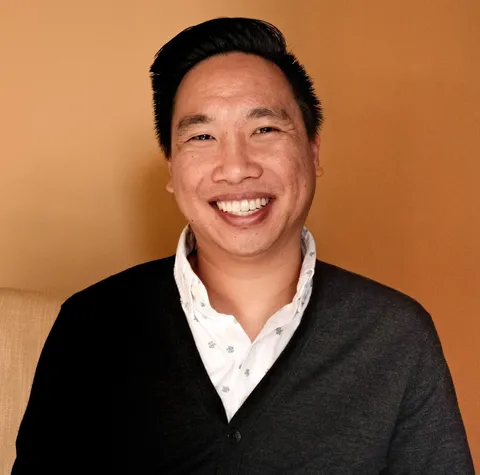
Licensed psychologist · Online
Spiritual abuse, religious trauma, and deconstruction. Adults and couples.
Read bio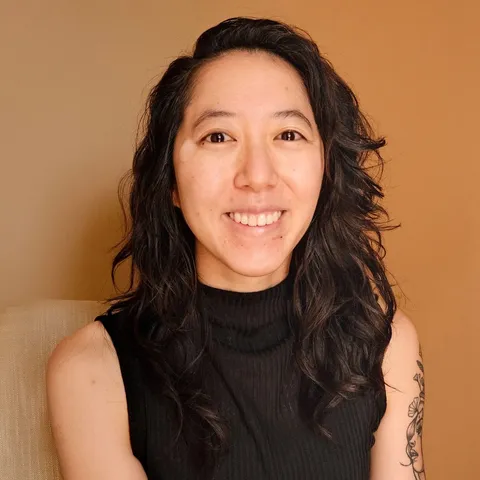
Licensed psychologist · Carlsbad + online
Religious trauma, anxiety, and depression, including clients who still practice. Adults and couples.
Read bio
Licensed psychologist · Carlsbad + online
Spirituality and integration, belonging, and healing from shame. Teens and adults.
Read bio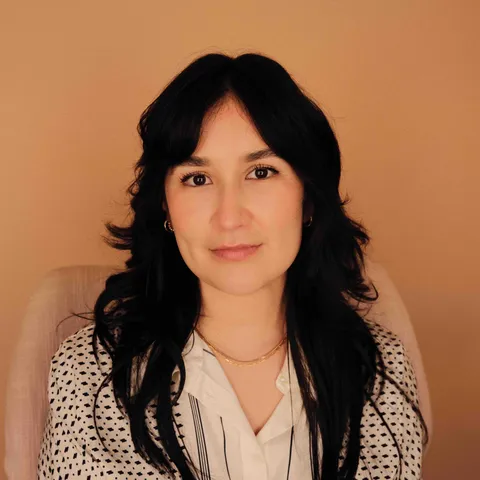
Licensed psychologist · Carlsbad, Vista + online
Religious trauma, and the conflict between faith and sexual or gender identity.
Read bio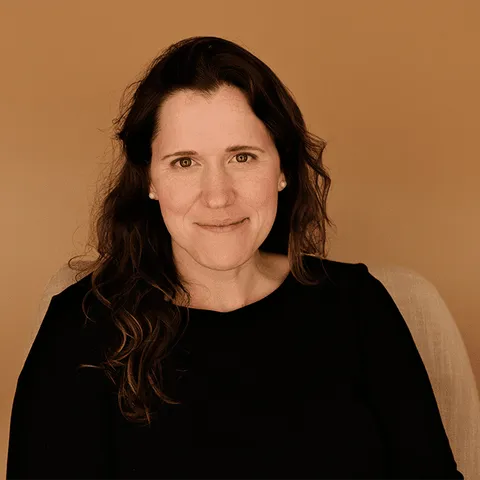
Licensed psychologist · Carlsbad, Vista + online
Co-owner. Rosemead-trained. Grief, life transitions, and LGBTQ+ identity. Adults and couples.
Read bio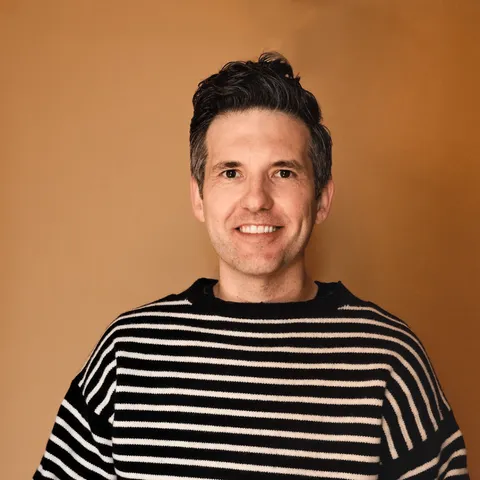
Licensed psychologist · Encinitas, Vista + online
Co-owner. Rosemead-trained. Men's issues, depression, and personal growth. Teens, adults, couples.
Read bio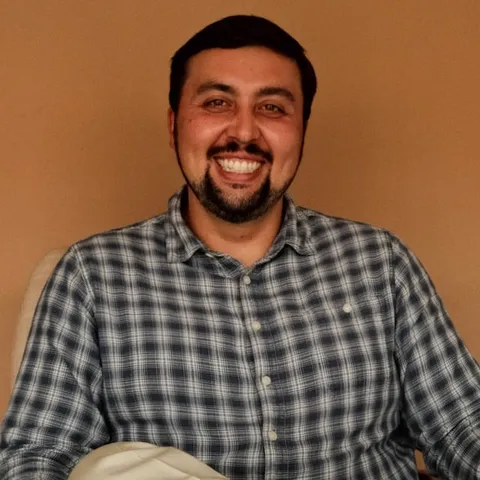
Postdoctoral fellow · Encinitas, Vista, Carlsbad + online
Clergy and faith leaders, meaning and purpose, faith development. Teens and adults.
Read bio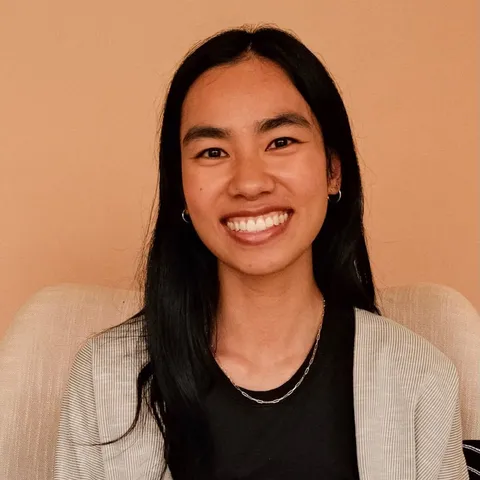
Postdoctoral fellow · Carlsbad, Vista + online
Spiritual and religious identity, attachment, and reconnecting with yourself.
Read bio- Diane Langberg
Getting started
It starts with a free 15-minute phone call. You tell us roughly what is going on, we ask a few questions, and we suggest which clinician is the right match for what you are carrying and for your schedule. Nobody asks you to explain your theology, and nobody asks you to justify staying or leaving.
From there, sessions are weekly and run 50 minutes, in person in Carlsbad, Encinitas, or Vista, or by video anywhere in California. Fees are $230 to $300 depending on the clinician. We are an out-of-network practice and provide superbills for possible reimbursement; the details are on our cost and insurance page.
One thing worth naming: for religious trauma specifically, many people want a therapist who is not connected to their town, their denomination, or their family's church. Online therapy is a genuinely good option here, not a lesser one, and Dr. Lowe, our clinician with the deepest specialization in spiritual abuse, practices entirely online.
Book a free consultation →Questions
Religious trauma is the lasting psychological harm that can follow controlling, shaming, or abusive experiences inside a religious or spiritual community. It can come from a single betrayal, such as abuse by a leader who was supposed to protect you, or from years of accumulated pressure: fear-based teaching, enforced obedience, purity culture, or being told your own perceptions could not be trusted. What makes it distinct from other trauma is that the harm happened in the place you went for meaning, belonging, and safety, which is why it so often unsettles your sense of who you are.
Not officially. "Religious trauma syndrome" is a widely used clinical term, coined by psychologist Marlene Winell, but it is not a formal diagnosis in the DSM-5-TR. That does not make the experience less real. In practice, people affected by religious trauma often meet criteria for post-traumatic stress, complex trauma, anxiety, depression, or obsessive-compulsive disorder, and those are the frameworks we work within clinically while taking the religious context seriously on its own terms.
Common signs include persistent guilt or shame that does not respond to reassurance, fear of punishment or damnation, difficulty trusting your own judgment after years of deferring to authority, anxiety or panic in religious settings, intrusive thoughts about sin or purity, black-and-white thinking, grief over lost community, difficulty with intimacy or sexuality, and a sense of having no idea who you are outside the role you were given. Many people also feel disloyal simply for noticing that something was wrong.
Spiritual abuse describes the behavior: the misuse of religious authority, scripture, or spiritual language to control, coerce, silence, or exploit someone. Religious trauma describes the effect that behavior can leave behind in a person's nervous system, beliefs, relationships, and sense of self. Not everyone who experiences spiritual abuse develops religious trauma, and religious trauma can also follow harm that no one intended, such as fear-based teaching delivered sincerely.
No. We do not prescribe what you should believe, and we will not push you toward or away from religion. Some of our clients want to stay in their tradition and heal within it. Some are leaving. Some are rebuilding something new, and some are not sure yet. Our job is to help you understand what happened to you and to recover your own capacity to decide, not to hand you a different set of conclusions.
No. Coastal Therapy Group is a secular psychology practice, and we work with people from many religious backgrounds as well as people who have left religion entirely. Several of our clinicians did their doctoral training in programs that integrate psychology and Christian theology, so they know these worlds from the inside, which is often exactly what people recovering from church harm are looking for. If you specifically want faith-integrated therapy that supports your beliefs, see our page on working with a Christian therapist.
Deconstruction is the process of examining beliefs you inherited and deciding which ones are actually yours. Therapy is not a substitute for that theological or philosophical work, and we are not here to referee it. What therapy can do is hold the psychological side: the fear, the grief, the family conflict, the loss of community, and the disorientation of not knowing what is true anymore. Deconstruction and losing your faith are not the same thing, and plenty of people come out of it with a faith they chose rather than one they were assigned.
Yes. We work with people leaving high-demand and high-control religious environments, including those who have lost family, housing, employment, or their whole social world in the process. That work usually moves slowly at first and focuses on safety, practical footing, and rebuilding trust in your own perception before anything else. Online sessions are often a good fit here, since they let you meet with a therapist who has no connection to your former community.
Scrupulosity is a form of obsessive-compulsive disorder centered on moral or religious fear: intrusive thoughts about sin, compulsive confession or prayer, and reassurance-seeking that never quite settles. It responds to OCD treatment rather than to reasoning about theology, so if scrupulosity is your main concern, start with our OCD therapy page. We can also address it alongside religious trauma when both are present.
Yes. We see clients by video anywhere in California, and our clinician with the deepest specialization in spiritual abuse and religious trauma, Dr. Gabriel Lowe, works entirely online. That matters for this issue in particular: many people want a therapist who is not part of their town, their denomination, or their family's church. See online therapy for how it works.
Individual therapy sessions are $230 to $300 depending on the clinician. We are an out-of-network practice and provide superbills you can submit to your insurance for possible reimbursement. Full details are on our cost and insurance page, and the initial 15-minute consultation is free.
We have three North County San Diego offices: Carlsbad at 2564 State Street, Suite B; Encinitas at 169 Saxony Road, Suite 211; and Vista at 1800 Thibodo Road, Suite 110. We see clients from across San Diego County in person and anyone in California online.
A quick, private self-check
A short, private self-check can help you notice whether what you went through may still be affecting you now.
Reflective, not diagnostic. Your answers never leave your browser.
Where we are
All three offices are in North County San Diego. We see clients from across San Diego County in person, and anyone in California through online therapy.
 Book a free consultation →