

AuDHD evaluation · Carlsbad · Vista
AuDHD Evaluation in San Diego
When ADHD and autism overlap, evaluating both at once is more accurate than one diagnosis at a time. One doctoral-level clinician, one integrated report, for late-diagnosed adults, high-masking women, and kids ages 5 and up. In person in Carlsbad and Vista.
4.9 on Google · Doctoral-level psychologists · Serving North County since 2018
Who we test
Ages 5+
Kids, teens & adults
Where
2 offices
Carlsbad & Vista
Wait to start
1–2 weeks
From booking to first session
Timeline
6–8 weeks
Intake to written report
Start with
A free call
15 minutes, no pressure
What an AuDHD evaluation is
When one diagnosis has never felt like the whole story.
An AuDHD evaluation is a single, integrated assessment for co-occurring autism and ADHD. Instead of testing for one condition and explaining the rest away, a doctoral-level psychologist administers autism-specific and ADHD-specific measures in the same battery, examines the overlap directly, and produces one report. Research suggests 30 to 40% of autistic people also meet criteria for ADHD, which is why testing both at once is often more accurate than doing them one after another.
We are a relational, attachment-informed practice, so our evaluators are clinicians first, and we also offer ongoing therapy for autistic adults and teens once the questions on paper are settled. Specifically, an integrated evaluation can answer:
- Is this ADHD, autism, or both?
- Which traits belong to which condition, and which belong to anxiety, trauma, or sleep?
- How has masking shaped the presentation, and what is underneath it?
- What accommodations, supports, or treatment approaches actually fit?
01
Both conditions, one frame.
When a clinician evaluates one condition at a time, traits of the other get explained away as anxiety, mood, or trauma. We examine attention, executive function, sensory processing, social communication, and developmental history together, so we can say where each pattern comes from.
02
Built for high-masking presentations.
Standard measures, especially in adulthood, miss autism and ADHD that have been masked for years. Our team built its AuDHD work around late-diagnosed adults, women, and gender-diverse clients whose patterns were missed in childhood.
03
One integrated report.
You leave with a single report that explains the overlap, not two single-condition reports that do not speak to each other. Reviewed by an outside expert before it is final.
Who this is for
For the person whose one diagnosis keeps landing short.
A lot of our AuDHD evaluations start with the same sentence: "I have ADHD, but something else is going on too," or "I was told I am autistic, but the ADHD piece keeps getting missed." This evaluation is built for:
- Adults diagnosed with ADHD who suspect autism was missed.
- Adults diagnosed as autistic whose attention, executive function, or impulsivity was never fully addressed.
- High-masking women and gender-diverse adults read as anxiety, perfectionism, or burnout for years.
- Kids and teens (ages 5+) with mixed presentations, sensory differences, and attention concerns.
- Anyone who has seen multiple providers and walked away with partial answers.
- People who have had testing before and felt something was missed.
High-masking autism and ADHD are the most common reasons we hear "every previous assessment said I am fine" from clients who clearly are not. We are affirming, identity-respecting, and direct about what the data shows.
What it costs
We post the price so you do not have to ask.
A combined AuDHD evaluation costs $4,000 to $6,000, because it is two questions in one integrated battery and report. The fee includes the free consultation, the clinical interview, all testing and scoring, the written report, and the feedback session.
If the picture turns out to be one condition alone, a single-question ADHD or autism evaluation runs $3,000 to $5,000. If a full evaluation is more than you need right now, Insight Sessions are a lighter 3-session alternative at $840. We confirm the exact figure for your case on the free call, before any work begins.
- AuDHD evaluation (ADHD + autism) One integrated evaluation and report assessing both conditions in the same battery.
- $4,000 – $6,000
- Single-question evaluation When the picture turns out to be ADHD or autism alone. See ADHD testing or autism testing.
- $3,000 – $5,000
- Insight Sessions A lighter 3-session, assessment-informed consultation. A starting point when full testing is more than you need right now.
- $840
Out-of-network · Superbill provided · HSA / FSA accepted
Comprehensive psychological testing is frequently eligible for partial out-of-network reimbursement. We provide a superbill for CPT codes 96136, 96137, 96130, and 96131; coverage varies by plan, so confirm your out-of-network testing benefits before scheduling.
How it works
What the process actually looks like.
About 9 hours of your time across two to three appointments, plus the feedback session. Nothing surprises you: we tell you what each session is for before you book it.
-
The free 15-minute call.
You tell us what is not adding up. We tell you whether an integrated AuDHD evaluation is the right tool, what it would involve, and what it would cost. No sales energy.
-
Clinical interview.
A 60-to-90-minute conversation across developmental, educational, occupational, relational, and sensory history. For children, we add a structured caregiver interview.
-
ADHD-specific and autism-specific testing.
Performance-based attention and executive-function testing alongside structured and self-report autism measures calibrated for adults and high-masking presentations, administered in person with breaks.
-
Collateral input and differential rule-outs.
Parent, partner, or longtime-friend report where appropriate, plus a differential that separates ADHD and autism from anxiety, depression, trauma, sleep, and learning differences.
-
Outside expert review and team consultation.
Before the report is finalized, the case is reviewed by our outside consulting expert and presented to our full team. The overlap is examined directly, not averaged away.
-
Feedback session and one integrated report.
A 60-to-90-minute feedback session in plain language, then a single written report with diagnostic conclusions and recommendations you can use for accommodations, treatment planning, or workplace use.
The testing team
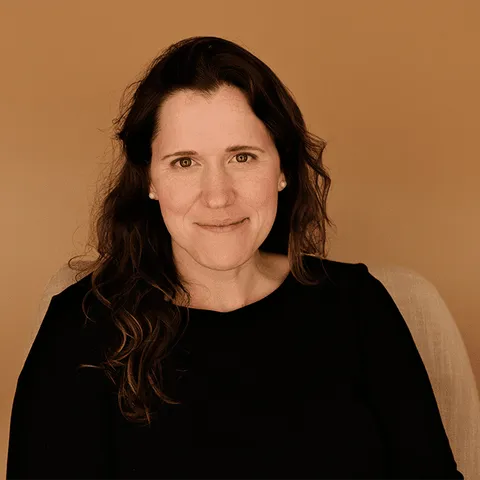
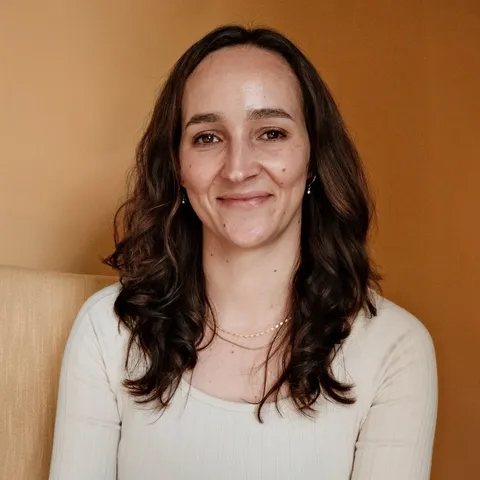
Six psychologists and a postdoctoral fellow who do AuDHD evaluations.
Not sure where to start? Our Director of Psychological Testing, Dr. Chelsea Dudley, can match you with the right clinician. Every evaluation is conducted, scored, and written by the same doctoral-level clinician.




Common questions
Frequently asked questions.
The questions below come up almost every week. If yours is not here, the 15-minute call is the place for it.
01 What is AuDHD?
AuDHD is shorthand for co-occurring autism and ADHD. Research suggests that 30 to 40% of autistic people also meet criteria for ADHD, and a substantial share of adults with ADHD show significant autistic traits. The two conditions share features such as executive functioning challenges, attention regulation difficulties, and sensory sensitivities, while differing in areas such as social communication and restricted or repetitive patterns of interest and behavior. A comprehensive evaluation can help clarify how these overlapping and distinct features show up in a particular person.
02 How is AuDHD evaluated differently than ADHD or autism alone?
A combined evaluation administers ADHD-specific and autism-specific measures in the same battery, examines the overlap directly, and produces one integrated report rather than two separate ones. This is more accurate than sequential single-condition assessments, especially for high-masking adults.
03 Do you evaluate adults and women specifically?
Yes. We have specialized experience with late-diagnosed adults, high-masking women, and gender-diverse clients. We use measures calibrated for adult presentations and we don't rely on developmental history alone.
04 Can you evaluate kids and teens for AuDHD?
Yes. We evaluate ages 5 and up. For younger children, parent and school input weighs heavily; for teens, we incorporate self-report and direct testing.
05 Do you take insurance?
We are out-of-network with all insurance plans. We provide a superbill you can submit for partial reimbursement under CPT codes 96136, 96137, 96130, and 96131. HSA and FSA accounts are accepted directly. We recommend calling your insurance before scheduling to confirm what they reimburse for out-of-network neuropsychological testing.
06 Will the report support accommodations at work or school?
Yes. Reports include diagnostic conclusions and documentation appropriate for ADA accommodations, IEP/504 plans, college disability services, professional licensure boards, and workplace accommodation requests.
07 I already had testing once and it didn't feel right. Should I do it again?
Probably worth a consultation. We see a lot of clients whose first evaluation was rushed, narrow, or missed a co-occurring condition. The 15-minute call is the place to figure out whether a re-evaluation would actually answer what your first one didn't.
08 Where are your offices?
Most testing is conducted in person at our Vista office. Some appointments can be done at our Carlsbad office if that location is preferable to you. We'll discuss the right fit for you on the consultation call.
A quick, private self-check
Not sure whether it is ADHD, autism, or both?
Three short, private self-checks to help you see which patterns ring true before a formal evaluation.
Reflective, not diagnostic. Your answers never leave your browser.
When you are ready
Let's figure out whether an AuDHD evaluation is the right next step.
Fifteen minutes on the phone with our Director of Psychological Testing, Dr. Chelsea Dudley. No pitch, no pressure. By the end of the call you will know what you need, what it would cost, and whether we are the right people for it.
4.9 on Google · Out-of-network · Superbill provided · Serving North County since 2018