10
Is it religious trauma if you loved church? With Cheyenne Garstad, LCSW
Therapist Cheyenne Garstad, LCSW, on why religious trauma is rarely the reason people start therapy, how good memories hide it, and rebuilding community.
Episode 1 · 42:41
Where Did Your Mind Just Go?
A psychologist and a podcast host on whether AI can replace your therapist, what a chatbot can't hold, and why being truly seen still needs a human.
Can AI replace your therapist? It’s a real question now, not a hypothetical, and the honest answer is more complicated than either side of the argument wants it to be.
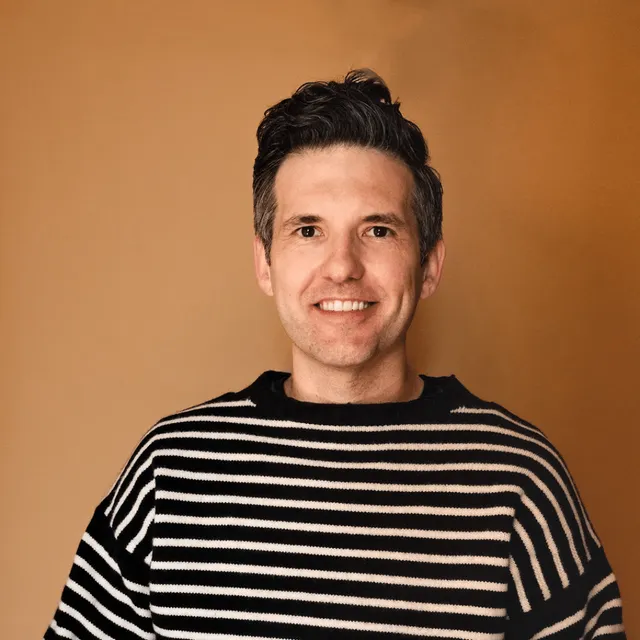
For the first episode of the relaunched show, Dr. Gabriel Lowe sits down with Dr. Reid Kessler, clinical psychologist and co-owner of Coastal Therapy Group, to think out loud about what happens when people bring their most vulnerable questions to a large language model instead of another human. They recorded this on March 6, 2026, and they say so on the record, because the technology is moving fast enough that the conversation is half timestamp, half thought experiment.
This is also a bit of a homecoming. Gabriel’s previous podcast, Hard Questions, No Answers, ran for three seasons before the editing burned him out. Bringing the show under Coastal gave it the resources to keep going and the chance to pull his colleagues into it. Reid is the natural first guest, since he’s the one who helped revive it.
Reid is upfront that he’s not an AI expert. He’s a therapist who signed up for ChatGPT early, uses it, and watches it surface in the therapy room as patients describe the conversations they’re having with it. That vantage point is the whole point. The two of them work through where AI is genuinely useful, where it’s quietly risky, and where it simply isn’t doing the thing people think it’s doing.
Some of what they get into: why introducing an AI note-taker changes the room between a therapist and a patient, even when nobody intends it to. What Harry Harlow’s monkeys have to do with the difference between information and contact. Why so much of therapy happens between sessions, in the space where one person holds another in mind. And why conflict, the friction of being misunderstood and working back from it, is something you can’t have with a tool that never gets offended. This is the territory our anchor essay, A Digital Face Will Never Be Human, digs into at length, if you want to keep going after the episode.
It’s still the person interacting with a robot. It has a lot of information and the trappings of a human, but it misses a lot. We’re embodied beings.
They don’t land on a verdict, and they’re not trying to. Reid’s instinct is that AI will take over some of the lowest tiers of mental health support, that a lot of people will get real insight they didn’t have access to before, and that some of them will get hurt in ways the tech industry isn’t built to answer for. He also suspects the very strangeness of it might push people back toward the human rooms, group therapy especially, that no chatbot can fake.
If you’ve been wondering whether the thing in your pocket can do what a therapist does, this conversation won’t hand you a clean answer. It’ll give you a better way to sit with the question.
The kind of work Gabriel and Reid describe here is what Coastal Therapy Group does every day across our Carlsbad, Encinitas, and Vista: individual therapy with doctoral-level psychologists, in a real room, with a real person. If the conversation leaves you curious about what that’s like, you can book a free consultation.
Listen to the full episode Spotify Apple Podcasts YouTube
Where Did Your Mind Just Go? is a production of Coastal Therapy Group. This episode was edited by Serena Rio.
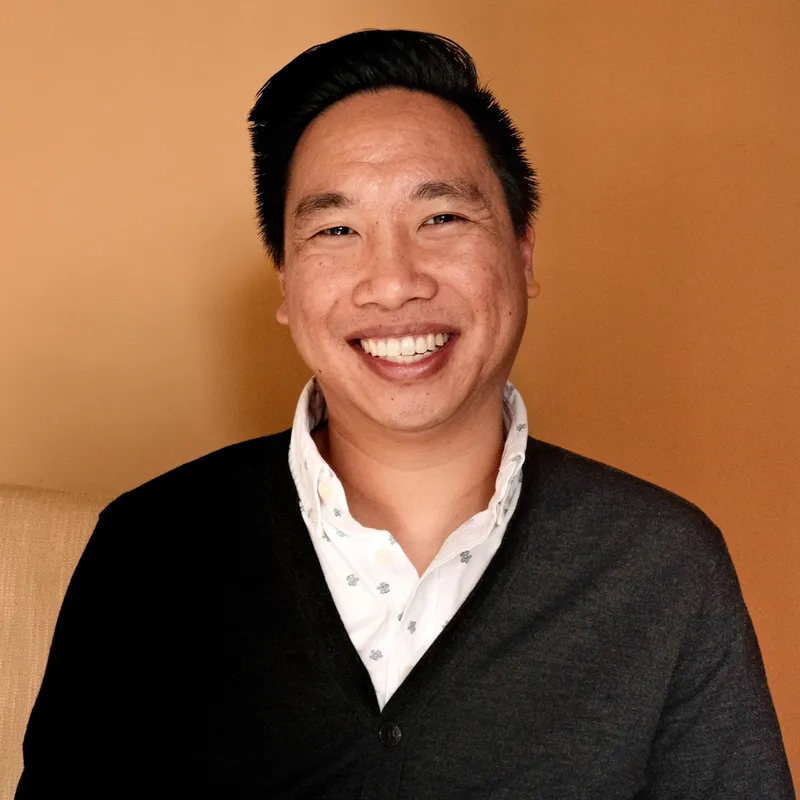
The host
Dr. Gabe Lowe is a psychologist and the creative mind behind Where Did Your Mind Just Go? — a passion project born from a belief that the world needs more spaces where curiosity and uncertainty are embraced, not solved away. Each episode, he brings his gift for deep listening and unhurried conversation to topics that matter, sitting across from bright, thoughtful minds and following the dialogue wherever it wants to go.
Where Did Your Mind Just Go?
10
Therapist Cheyenne Garstad, LCSW, on why religious trauma is rarely the reason people start therapy, how good memories hide it, and rebuilding community.
09
Psychologist Anjali Ferguson, PhD, on why kids notice race by six months, why the adults are the ones who aren't ready, and raising proud, safe kids in a hard year.
08
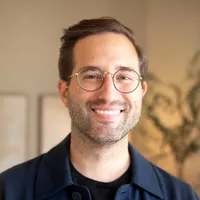
Psychologist Christopher Schadt, PsyD, on making mental health content, what the algorithm rewards, parasocial trust, and the harm in five easy steps.
Follow the show
New episodes drop the first and third Wednesday of the month. Follow the show on your platform of choice, or get an email when one lands.
Or follow on Apple Podcasts Spotify
If the episode left you with better questions about your own life, we can sit with those too. Book a free consultation, or call or text (760) 334-6262.